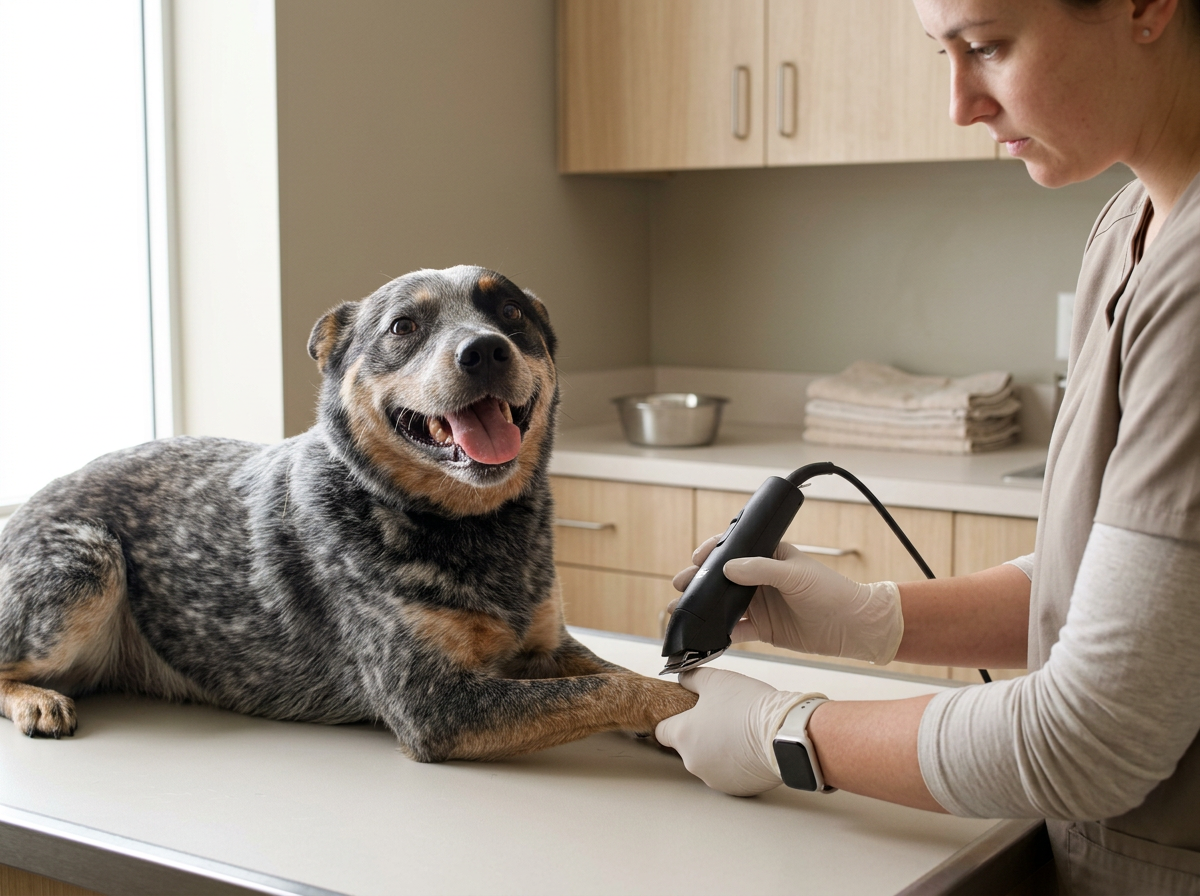
Explore our services below.

Telehealth
This option is for GP vets and pet owners alike. We will require a referral for this:
use our contact form to get in touch
Receive an email from us with details (consult package, dates/times)
Send relevant history and ALL test results
Consult via zoom / phone for up to 60 min
Receive a detailed summary and plan (treatment protocols /SOPs/ health & safety details upon request)
Immunotherapy
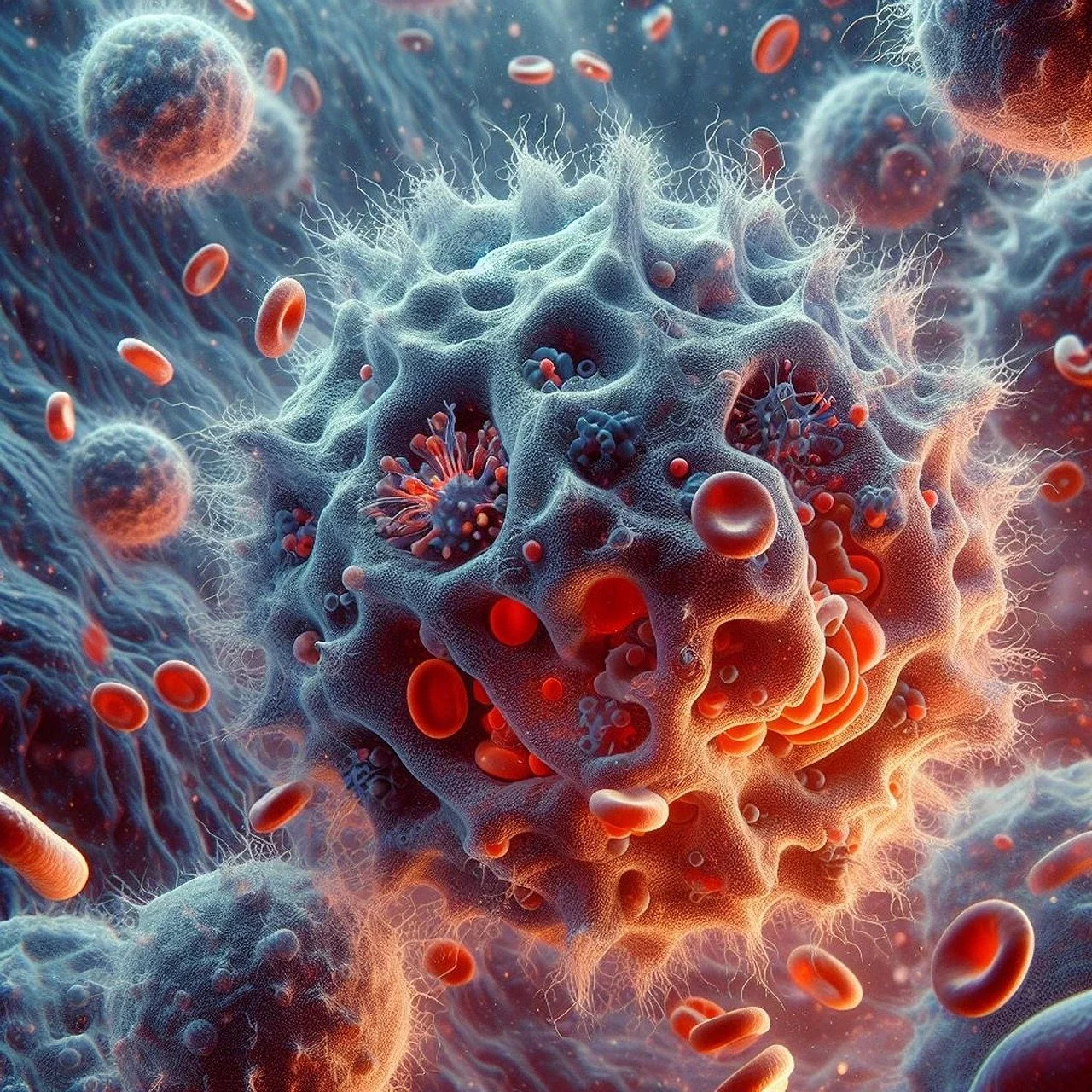
Immunotherapy is one of the most exciting advances in veterinary oncology, harnessing the body's own immune system to recognise and attack cancer cells. Unlike traditional treatments that directly target the tumour, immunotherapy helps the immune system identify cancer cells that would otherwise evade detection, providing another powerful tool in the fight against cancer.
A number of immunotherapy options are available for cancers in dogs and cats:
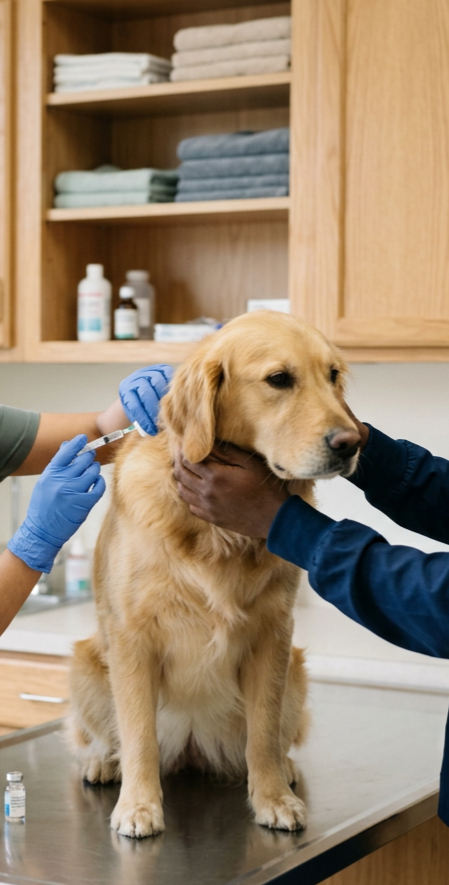
CANCV-4® is designed to stimulate a broad anti-cancer immune response. This treatment aims to activate the patient's immune system against cancer cells through multiple immune pathways and can be considered for patients as part of an individualised treatment plan. So far, we have successfully treated patients with lymphoma, osteosarcoma (with or without amputation), melanoma, mast cell tumour, and various soft tissue sarcomas and carcinomas. Injections are similar to annual booster vaccinations and are hence very straightforward with short appointment times - this can be facilitated by the GP vet keeping travel times in check:
contact us via the contact form
Receive an email with details (we need a tumour tissue sample - formalin fixed or paraffin block can be used)
Vaccine development within 5 business days
Receive the finished product within 10 business days
Oncept® Melanoma Vaccine has been used internationally for many years as an adjunctive treatment for dogs with oral and digital melanoma - cats have also been treated. Following surgery to remove the primary tumour, the vaccine is designed to stimulate the immune system to target any remaining microscopic melanoma cells, helping to delay or reduce disease recurrence in appropriate patients:
contact us via the contact form
Receive an email with details (a special applicator is needed to inject the treatment)
Most immunotherapy vaccines are administered as a series of simple injections beneath the skin/ into the muscle. Treatment schedules vary depending on the vaccine used but are generally very well tolerated, with minimal side effects such as discomfort at the injection site, lethargy, transient fever, and without the intensive blood monitoring required for chemotherapy or some targeted therapies.
Immunotherapy can be used as sole treatment or more commonly as multimodal approach with surgery, chemotherapy, radiation therapy or targeted therapies. It can form an important part of a comprehensive, multimodal treatment plan designed to give each pet the best possible outcome.
Molecular sequencing
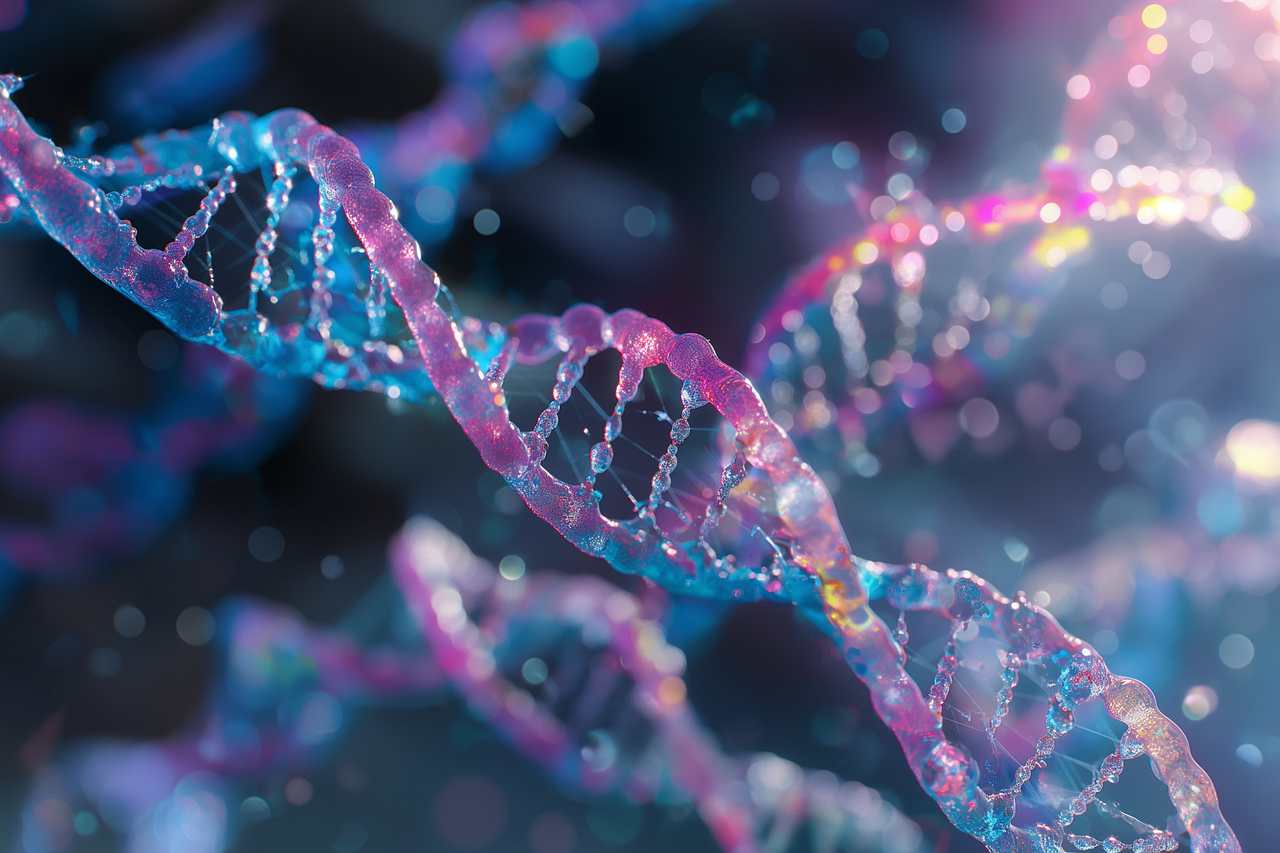
Every cancer is unique. Even two pets with the same type of tumour may have different genetic changes driving their cancer's growth. Molecular sequencing (also called genomic profiling) analyses a sample of the tumour to identify these specific DNA alterations, providing a detailed understanding of the biology of an individual pet's cancer.
This information allows us to move beyond a "one-size-fits-all" approach and explore treatment options that are tailored to the tumour's unique genetic profile. In some cases, molecular sequencing can identify mutations that may respond to targeted therapies, immunotherapies or other precision medicine approaches that would not otherwise have been considered.
Although molecular sequencing does not guarantee that a targeted treatment will be available for every patient, it can provide valuable information that helps guide treatment decisions, and inform prognosis.
Molecular sequencing may be recommended for a wide range of cancers, especially those where conventional treatment options are limited - solid tumours, melanoma, undifferentiated tumours, rare cancer types - or when additional information could help refine the treatment plan - haemangiosarcomas, mast cell tumours, lymphoma, etc. The test is performed on tumour tissue collected during surgery or biopsy. Results are available within 4 weeks in most cases:
contact us via the contact form
Receive an email with details (a special applicator is needed to inject the treatment)
Services
Filters
No results found
No results match your search. Try removing a few filters.