
Could electric pulses help treat your pet’s / patient’s cancer?
When a dog or cat is diagnosed with cancer, surgery and conventional chemotherapy are not always the only options. Depending on the tumour type, location and extent of disease, electrochemotherapy (ECT) may offer another way to treat selected cancers locally, particularly when tumours are difficult to remove surgically or preserving surrounding tissue is important.
ECT combines a chemotherapy drug, often bleomycin or carboplatin, with carefully controlled electrical pulses to improve the drug’s entry into cancer cells. It has been used in veterinary oncology for several decades, and published studies in dogs and cats have demonstrated promising results for selected skin, subcutaneous and oral tumours.
At Pet Cancer Care, my approach is to consider the individual patient, the biology of the tumour and the goals of treatment when exploring cancer treatment options. ECT may be one part of that plan.
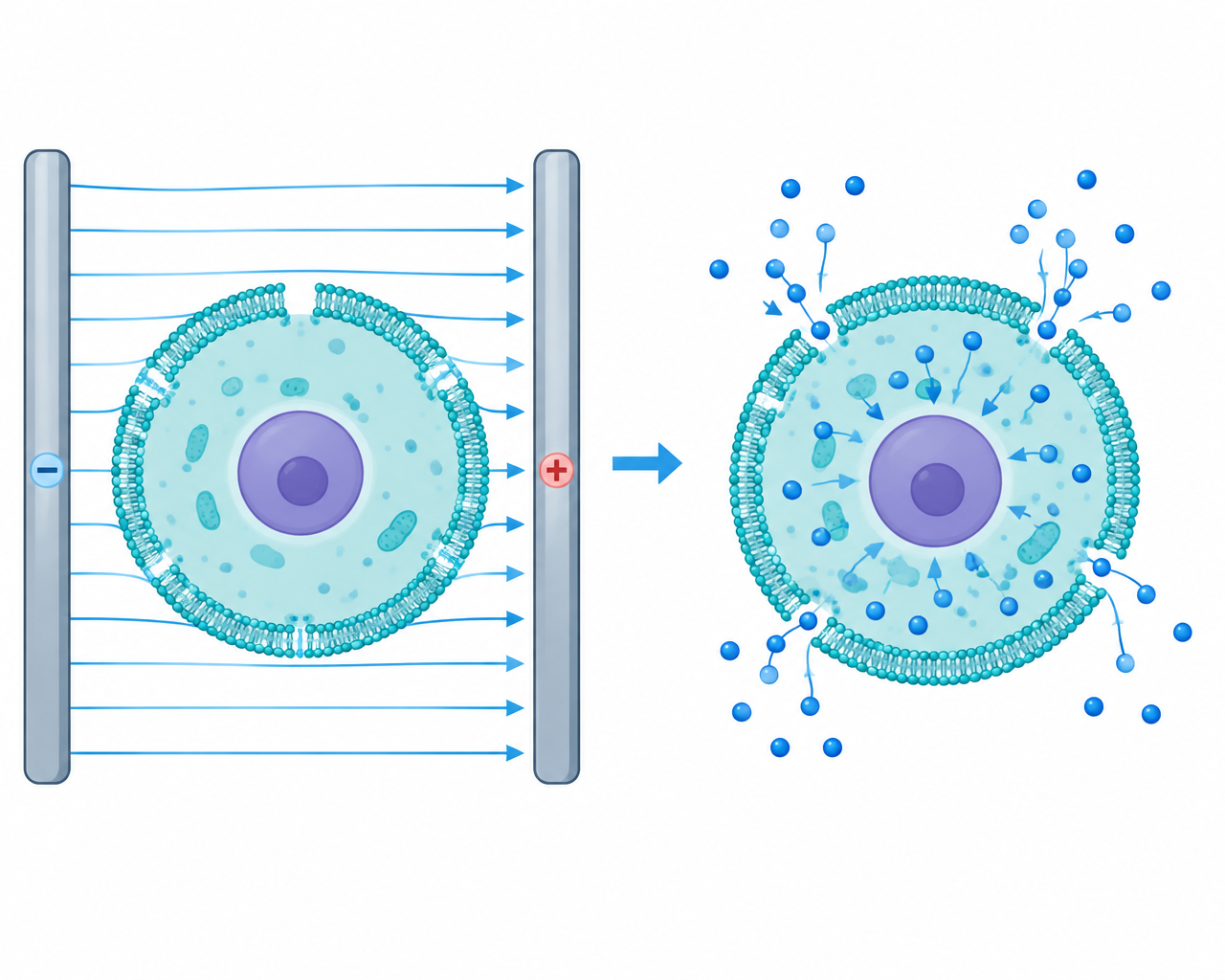
What is electrochemotherapy?
ECT is a local cancer treatment based on a process called electroporation.
Cell membranes normally act as barriers, controlling which substances can enter and leave a cell. Certain chemotherapy drugs, including bleomycin, do not readily cross intact cell membranes.
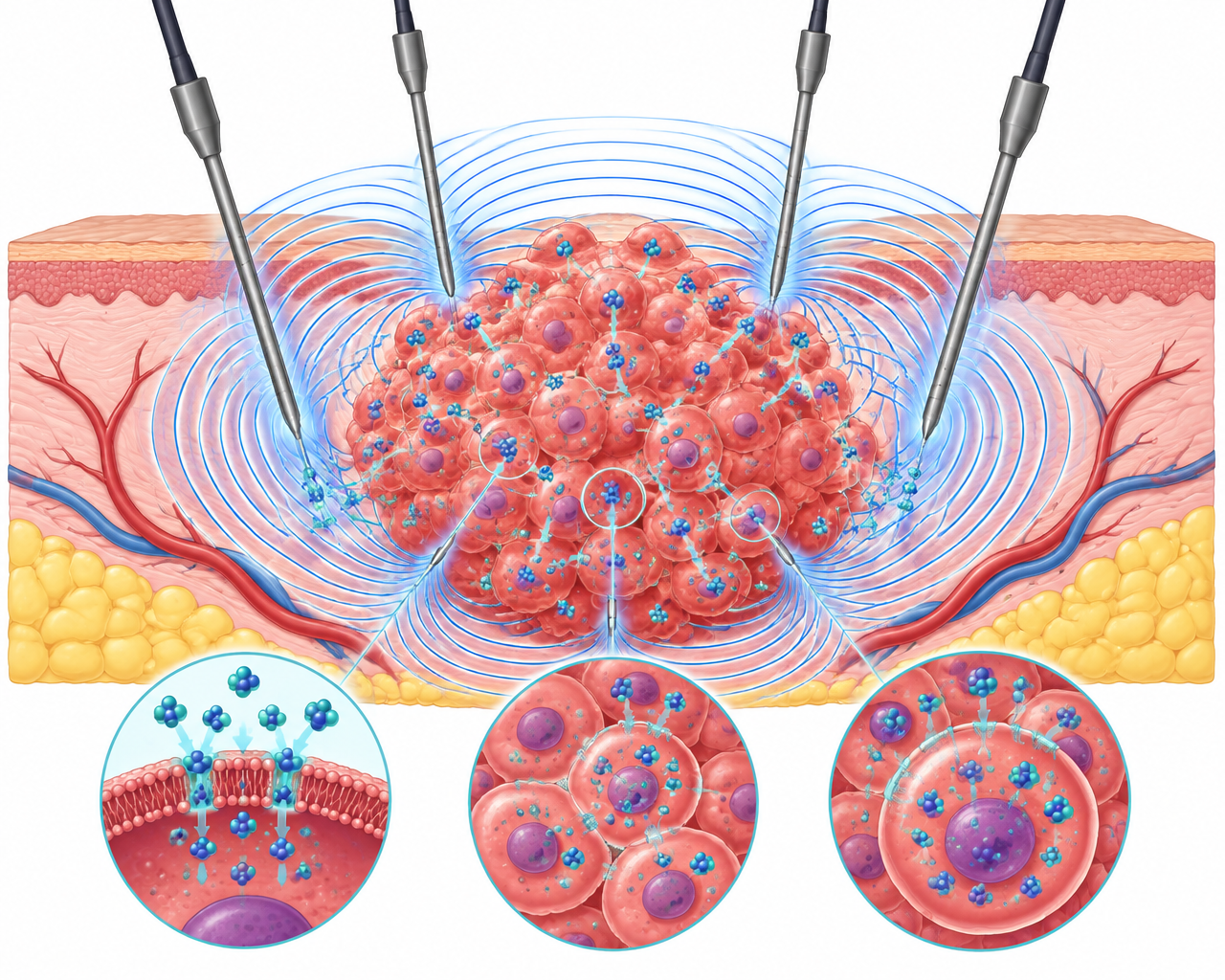
During ECT, brief electrical pulses are delivered to the tumour using specialised electrodes, needle probes and nasal probes are commonly used by Pet Cancercare. These pulses temporarily increase the permeability of cell membranes, allowing more of the chemotherapy drug to enter the cancer cells.
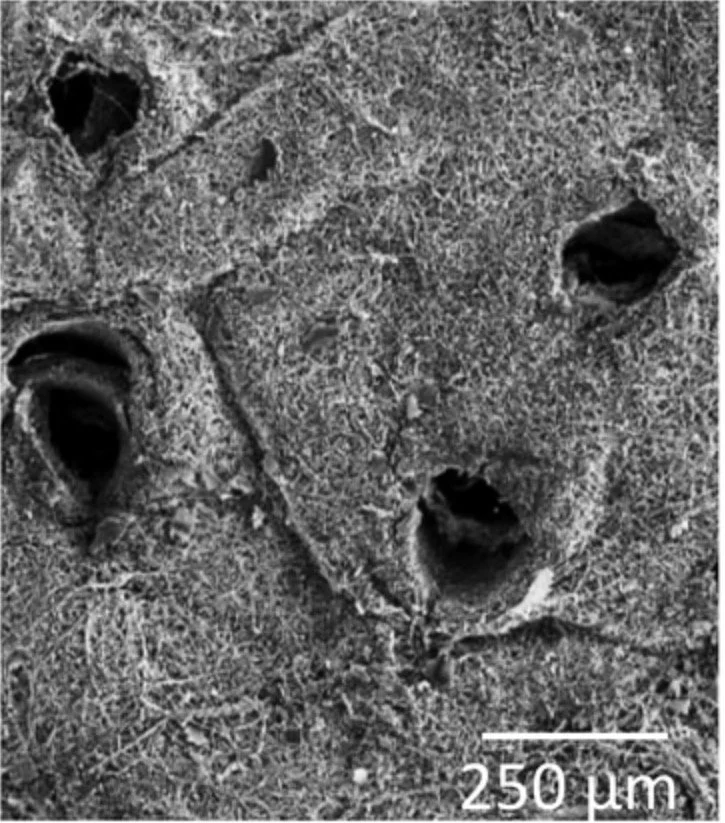
Electron microscopy image of a cancer cell when electric pulses are applied leading to formation of pores.
Once inside, the drug can exert a stronger anticancer effect. The electrical pulses also produce changes in the tumour microenvironment, including effects on tumour blood flow and local immune responses.
The treatment is designed to concentrate its effects in the targeted area, rather than exposing the entire body to the same treatment intensity.
Importantly, ECT is not simply applying electricity to a tumour. It is a carefully planned combination of drug delivery, electrical pulses, appropriate electrode placement and patient selection.
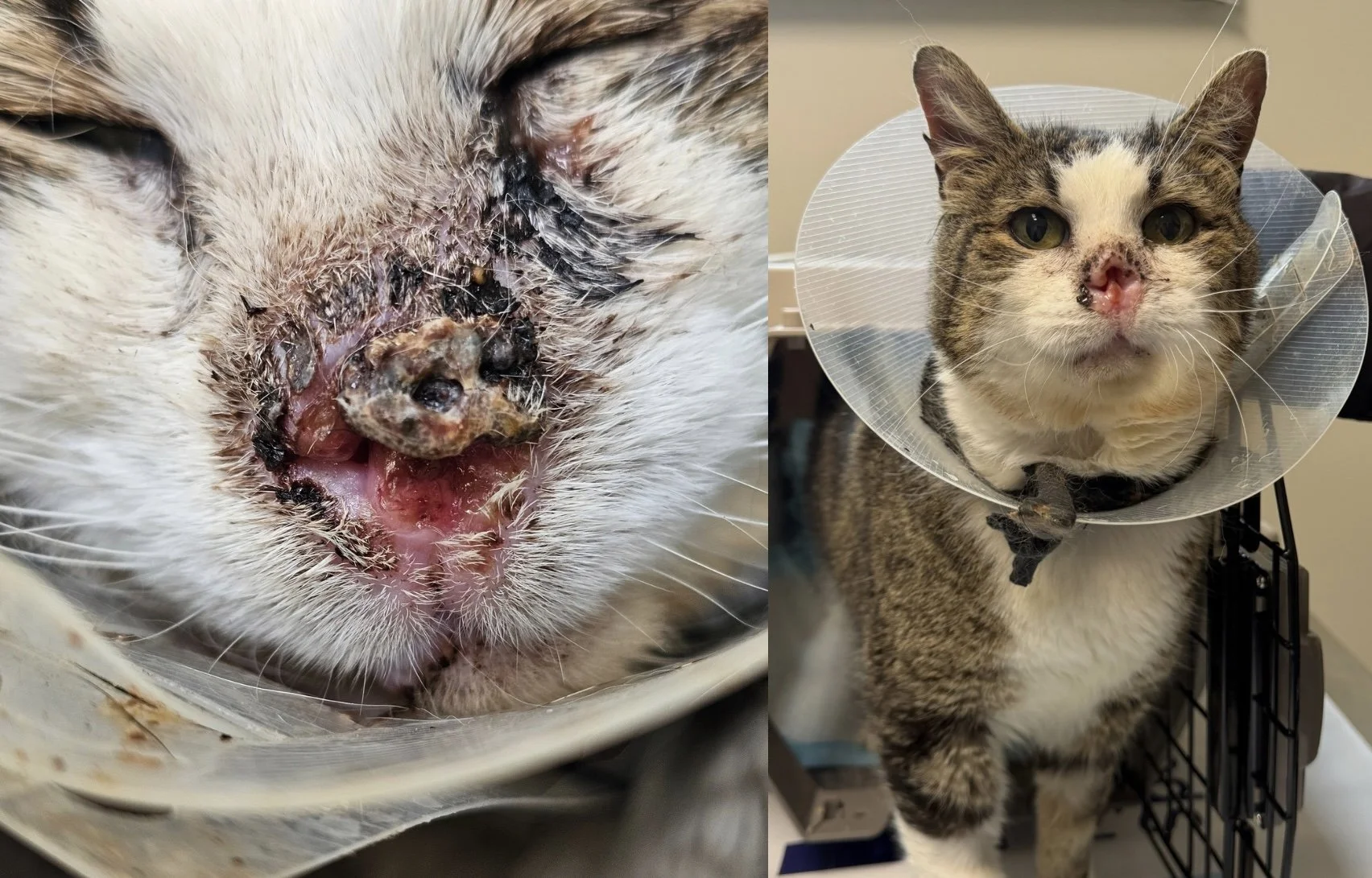
Which cancers can be treated with electrochemotherapy?
ECT has been investigated for a range of tumours in dogs and cats. Its suitability depends on the tumour's location, size, depth, histological diagnosis and whether the entire target area can be adequately treated.
1. Squamous cell carcinoma
Squamous cell carcinoma (SCC) is particularly relevant in cats, where it can affect areas such as the nose, ears, eyelids and oral cavity. Dogs can also develop SCC in the skin and oral tissues.
For selected superficial or accessible SCCs, ECT may be considered as an alternative to surgery or as an additional treatment following surgical removal.
This can be particularly useful when a tumour is located in an area where surgery would be challenging or could result in substantial tissue loss.
However, not every SCC is suitable. Tumours that extend deeply into underlying structures or bone require careful assessment, and advanced oral or nasal disease may need a different or multimodal approach.
2. Mast cell tumours
Canine mast cell tumours are common skin tumours, and their behaviour varies considerably with tumour grade, location and other biological features.
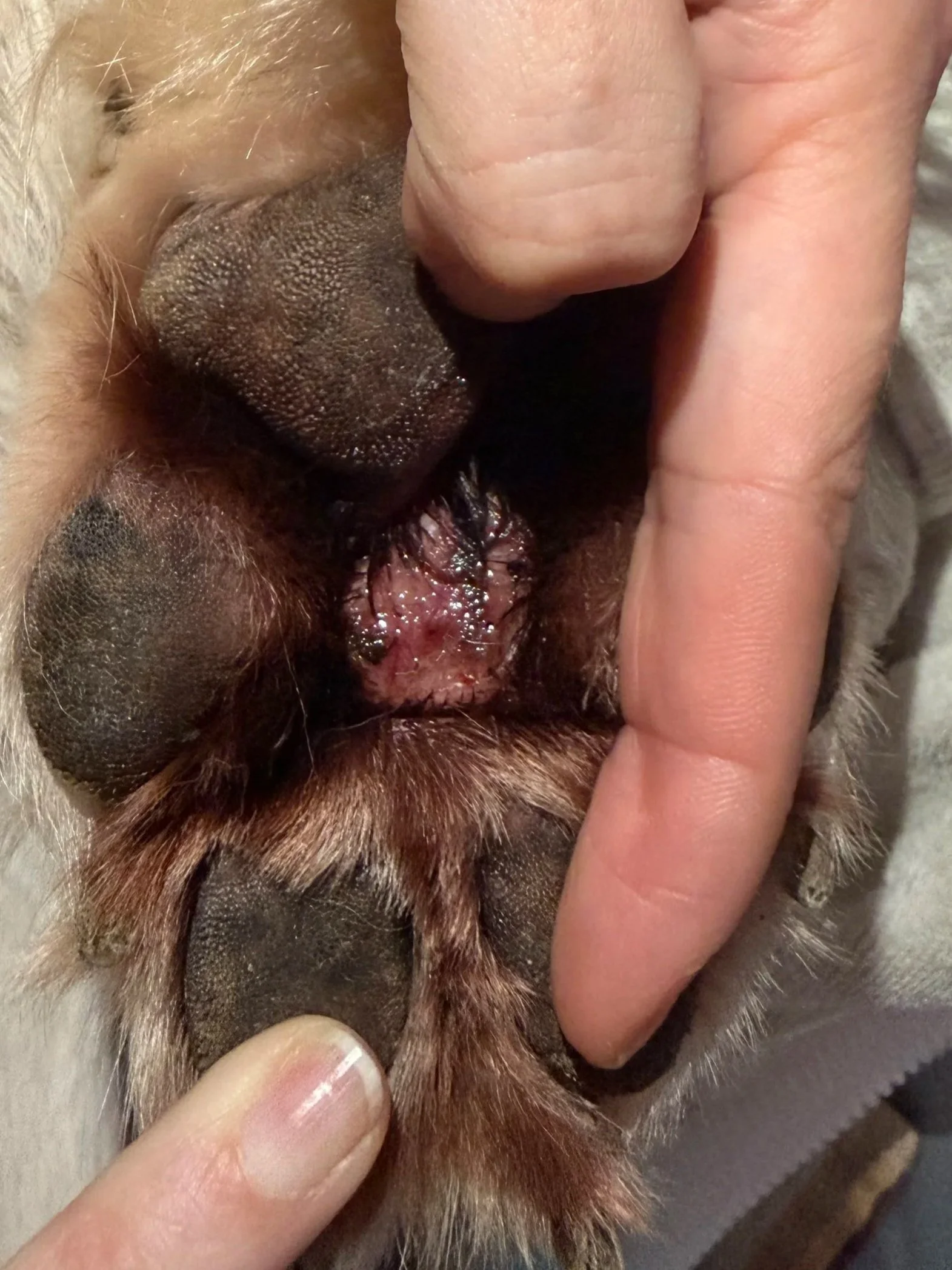
Cutaneous mast cell tumour underneath the paw.
ECT may be considered for selected cutaneous mast cell tumours, particularly when surgery is difficult, when local recurrence has occurred, or when an additional local treatment is being considered.
It is important to obtain an appropriate diagnosis and assess the tumour's biological behaviour before choosing treatment. ECT does not replace the need to consider tumour grade, margins, metastatic risk or systemic treatment where indicated.
3. Soft tissue sarcomas
Soft tissue sarcomas can infiltrate surrounding tissues, making complete surgical removal difficult in some locations.
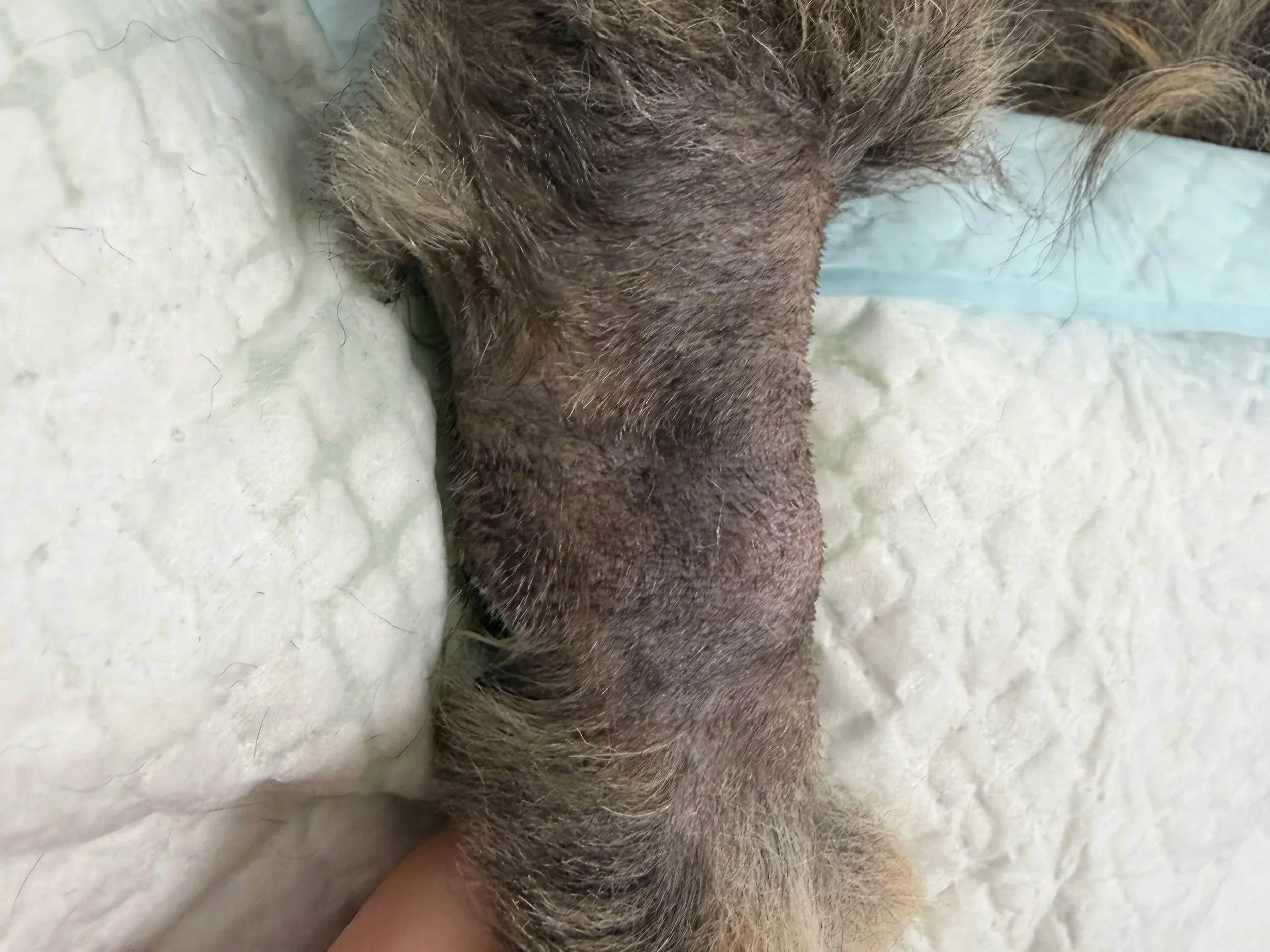
Soft tissue sarcoma regrowth under the skin.
ECT may be considered in selected cases as part of a local treatment strategy, including treatment of the surgical bed or management of accessible residual or recurrent disease. It is an excellent option for incomplete tumour removals for treating scar tissue.
The decision depends on the tumour's extent and the ability to cover the relevant treatment area adequately.
4. Melanoma and other accessible tumours
ECT has also been investigated for selected melanomas and other solid tumours that can be reached safely with appropriate electrodes.
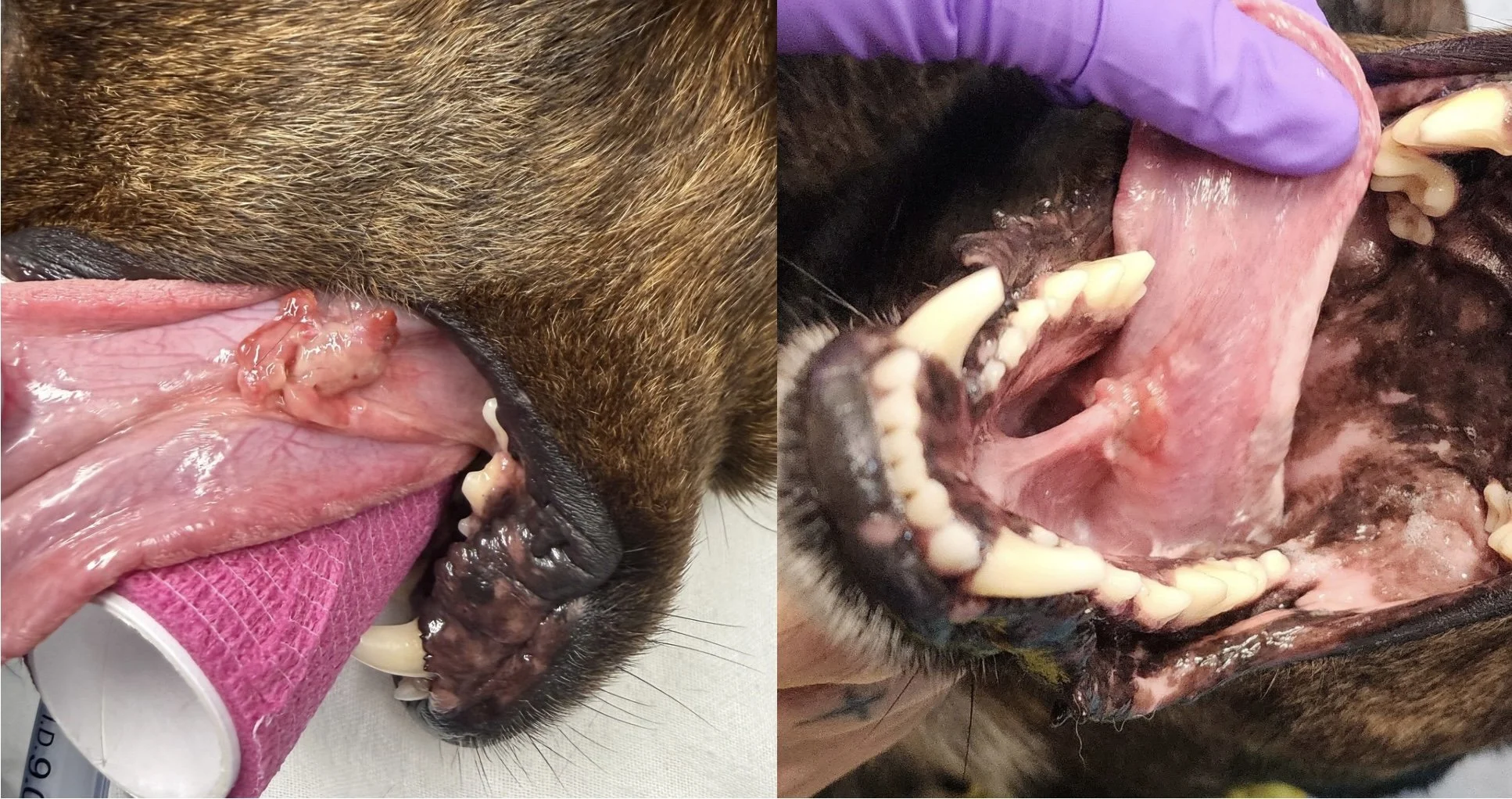
Tongue melanoma in a dog.
The evidence and expected outcomes vary between tumour types and anatomical locations. It is therefore important not to assume that results reported for one cancer can automatically be applied to another.
The 2024 review Electrochemotherapy in dogs and cats describes promising applications across a range of veterinary tumour types, while also highlighting the need to interpret the available evidence in context.
5. Electrochemotherapy for nasal tumours in dogs and cats
Electrochemotherapy may be considered for selected tumours affecting the nose. Nasal tumours within the nasal cavity present a different challenge. These tumours may be difficult to reach with conventional surface electrodes and therefore a specialised nasal probes is used for these. Early reports in dogs are promising, but the evidence remains limited - treatment may be carried out on gross disease or in combination with surgical removal of a nasal tumours.
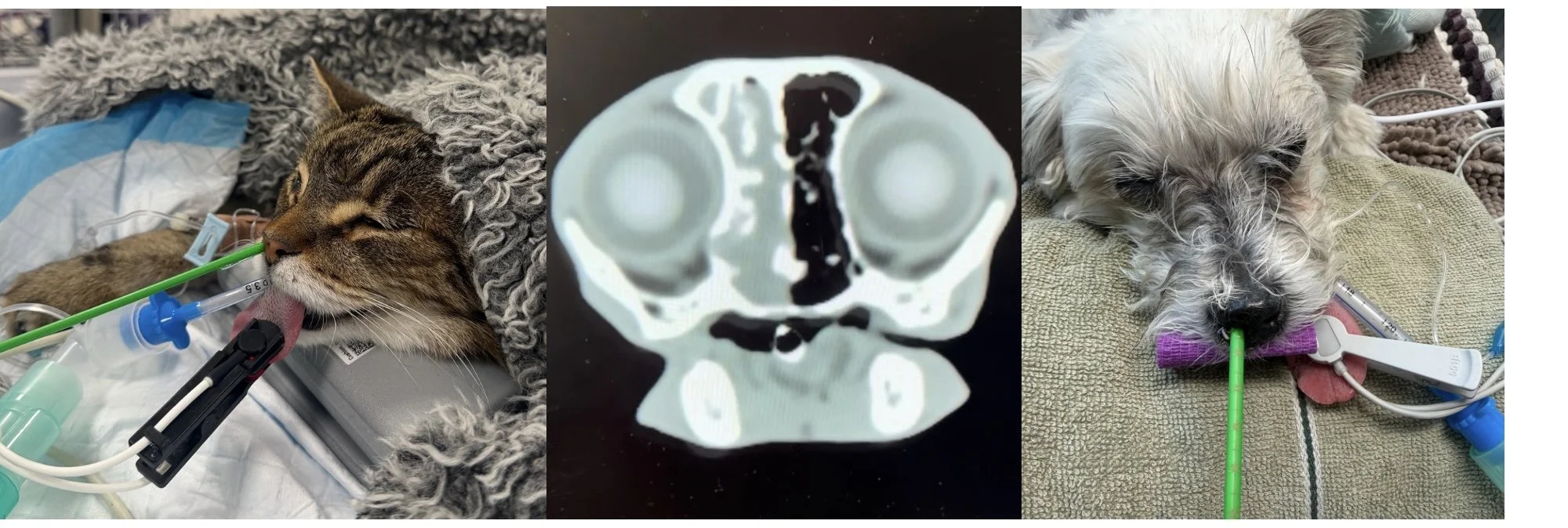
Treatment for intranasal tumours in dogs and cats using specific intranasal probes.
Before considering ECT, the tumour should be appropriately sampled and assessed for its extent. Imaging, such as CT, may be particularly important for determining disease extent.
The aim is to select a treatment that offers meaningful local tumour control while preserving comfort, function and quality of life.
6. Electrochemotherapy for perianal tumours, including anal sac adenocarcinoma
Tumours around the anus can be challenging to treat because of the sensitive anatomy of the region, limited surgical margins and the potential impact of treatment on defecation and comfort. ECT may be considered for selected perianal tumours, including some cases of apocrine gland anal sac adenocarcinoma (ASAC).
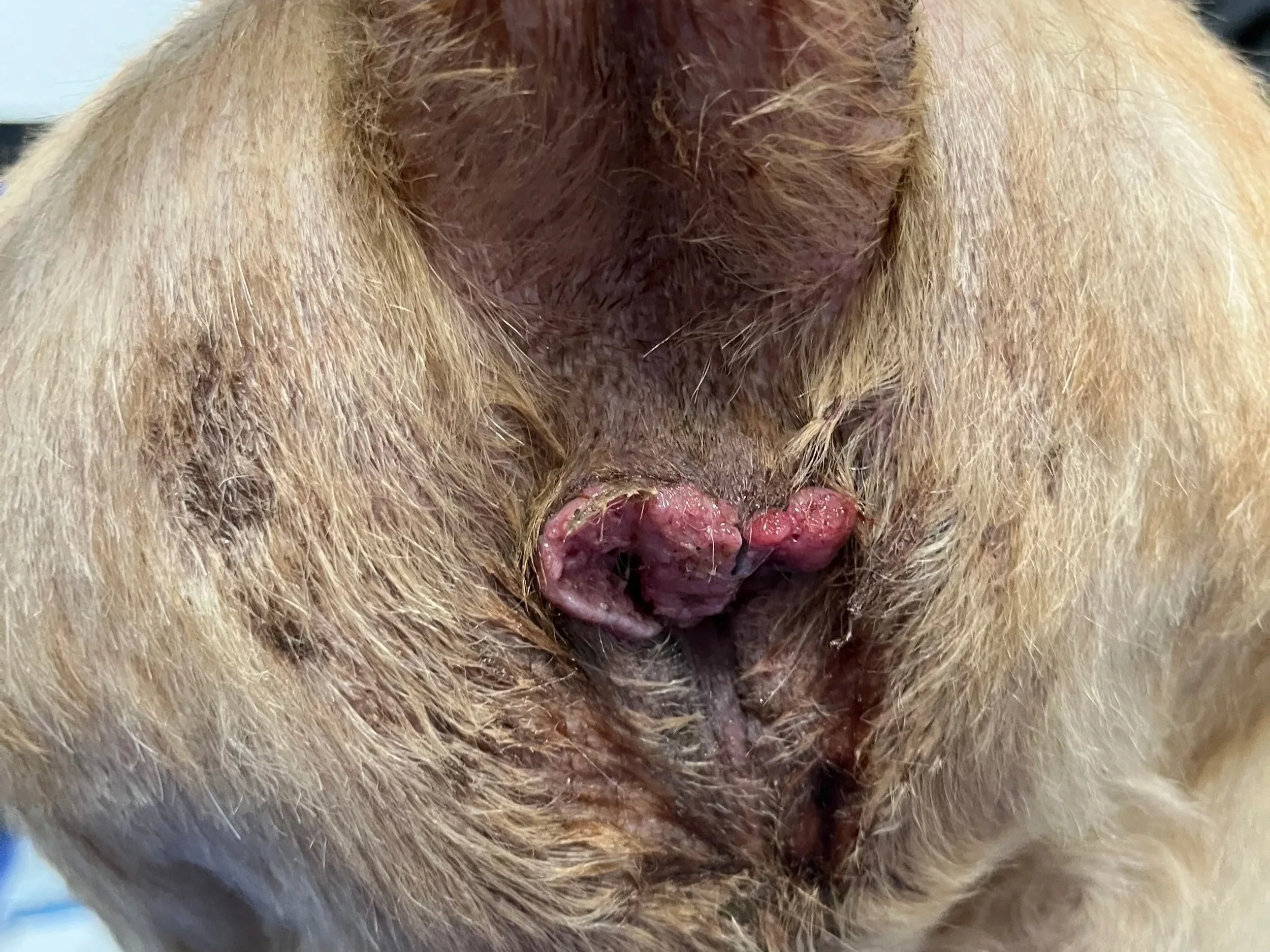
Perianal carcinoma in a dog.
ECT has been investigated as an alternative local treatment when surgery or radiotherapy is not feasible or has been declined, and as an additional treatment for residual microscopic disease following surgery.
In a small retrospective study with ASAC, ECT was associated with a partial response in six dogs and stable disease in three dogs with measurable tumours. One dog treated for microscopic disease had no evidence of local recurrence at 305 days. These findings are encouraging, and larger studies are needed to establish which patients are most likely to benefit.
Potential advantages include local treatment with limited systemic drug exposure and the possibility of treating selected tumours that are difficult to remove surgically. Nevertheless, treatment may cause temporary inflammation, swelling, discomfort or tissue damage.
Careful patient selection is essential. Before recommending ECT, the diagnosis should be confirmed, the primary tumour and regional lymph nodes assessed, and the presence of metastatic disease investigated as appropriate.
What happens during electrochemotherapy?
Positioning of electrodes in and around the tumour.
Although the procedure is relatively brief compared with some treatment courses, careful preparation is essential.
Step 1: Confirm the diagnosis
Before treatment, the tumour should be appropriately investigated. This usually involves cytology or, preferably where needed, histopathology to establish tumour type.
The veterinary oncologist will also assess the tumour's size, location, depth and relationship to surrounding structures.
Step 2: Plan the treatment
The treatment plan considers whether ECT is intended to achieve local tumour control, treat residual disease following surgery, manage a recurrence or provide palliation.
Staging investigations may be recommended depending on the tumour type and clinical circumstances.
Blood tests and an anaesthetic assessment help determine whether the patient is suitable for the procedure.
Step 3: Administer the drug and apply electrical pulses
ECT is generally performed under general anaesthesia, because the electrical pulses and accurate electrode placement require the patient to remain still.
A chemotherapy drug, commonly bleomycin, is administered either intravenously or directly into the tumour in selected circumstances.
Specialised electrodes are then placed in or around the tumour, and controlled electrical pulses are delivered to the treatment area.
The electrode type and placement depend on the tumour's size, depth and location. The aim is to cover the tumour adequately, including relevant margins where indicated.
Step 4: Recovery and monitoring
After treatment, the patient is monitored during recovery and receives an individualised pain-relief and wound-care plan.
The treated area may become swollen, inflamed, crusted or ulcerated before healing. Some treated tissue may undergo necrosis and gradually separate as the tumour responds.
Follow-up examinations are important to assess healing, treatment response and whether further treatment is needed.
What are the benefits of electrochemotherapy?
For appropriately selected patients, potential advantages include:
Local treatment: The main treatment effect is directed at the tumour and surrounding target area.
Tissue preservation: It may help avoid extensive surgery in selected locations.
Flexible use: It can be considered as a primary treatment, after surgery or for selected recurrent tumours.
Potential for repeat treatment: Further sessions may be appropriate when lesions are extensive, incompletely treated or recur.
A range of applications: It has been investigated for several cutaneous, subcutaneous and accessible oral tumours.
Are there risks or side effects?
Like all cancer treatments, ECT has limitations and potential adverse effects.
Possible effects include:
Temporary swelling and inflammation at the treatment site
Pain or tenderness requiring medication
Skin damage, ulceration or tissue necrosis
Delayed wound healing or secondary infection
Anaesthetic complications
Incomplete tumour response or local recurrence
Swelling is particularly important when treating tumours near the airway or in other anatomically sensitive locations. These cases require careful risk assessment and planning.
Although ECT can be effective, it does not guarantee that a tumour will disappear or that cancer will not recur. The likelihood of success depends on tumour characteristics, treatment technique and the ability to treat the entire target area.
Is my pet suitable for electrochemotherapy?
Your dog or cat may be a candidate for ECT if they have an accessible tumour for which local treatment is appropriate. However, suitability cannot be determined from appearance alone.
An assessment will usually consider:
The tumour type and histopathology
Tumour size, depth and location
Whether the disease has spread
Previous surgery or cancer treatments
General health and anaesthetic risk
Whether the treatment area can be adequately covered
The intended outcome and available alternatives
A veterinary oncology consultation can help determine whether ECT is appropriate and compare it with other treatment options.
Looking beyond one treatment option
A cancer diagnosis can feel overwhelming, particularly when a tumour is difficult to remove or has returned after previous treatment.
My approach to veterinary oncology is to look at the whole patient and consider the available options, rather than assuming that every cancer requires the same treatment.
ECT is one of several techniques that may help us manage selected tumours while taking account of comfort, function and quality of life.
If your pet has a skin, subcutaneous, nasal or oral tumour, or if you are a referring veterinarian considering local treatment options, Pet Cancer Care can help assess whether ECT may be appropriate.
The first step is understanding the tumour, its extent and what we hope to achieve with treatment.
